

ESB Mobility Award Winners – 2025
Andreu Pascuet Fontanet
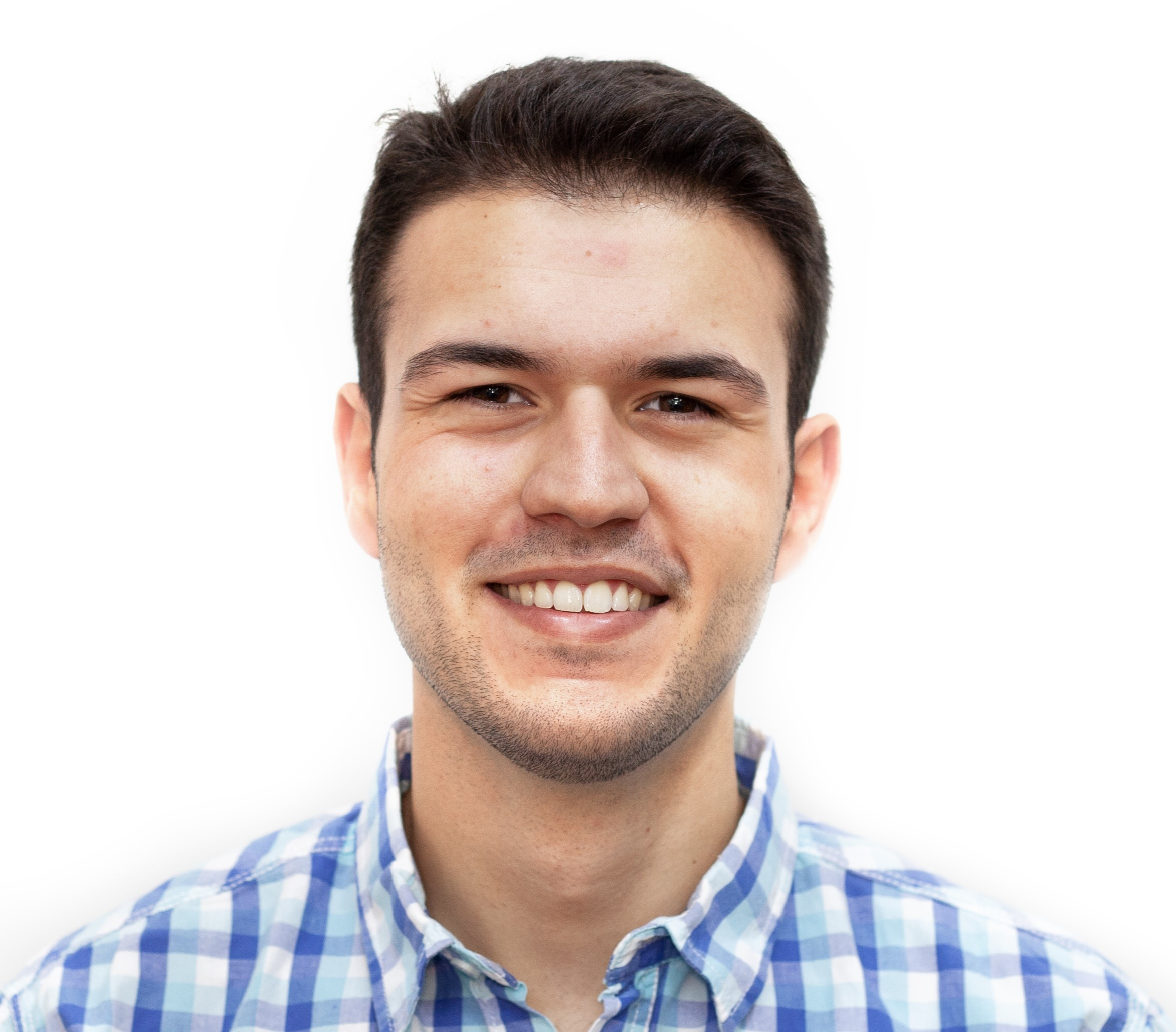
Andreu Pascuet Fontanet holds a bachelor’s degree in Biomedical Engineering from the Universitat Pompeu Fabra (UPF) in Barcelona and specialised in the computational field by obtaining a master’s degree in Computational Biomedical Engineering from the same university. He is a PhD student at UPF in the Biomechanics and Mechanobiology (SYMBIOsys) group, under the supervision of Prof. Jérôme Noailly (from UPF) and Prof. Corey Neu (from the University of Colorado Boulder (CU Boulder). Andreu is currently working on integrating regulatory network-based models into finite element model simulations to bridge the knowledge gap between cell-level biochemical regulation and tissue-level biomechanics in knee cartilage.
Planned Research Project
“Development and Validation of a Multiscale Mechanobiological Model of Articular Cartilage for Osteoarthritis Research”
Thanks to the ESB Mobility Award, Andreu will travel to CU Boulder. There he will visit and work at the Soft Tissue Bioengineering Lab to obtain experimental data on chondrocyte mechanotransduction in healthy and osteoarthritic environments to test and validate his computational models.
Ekaterina Oleinik
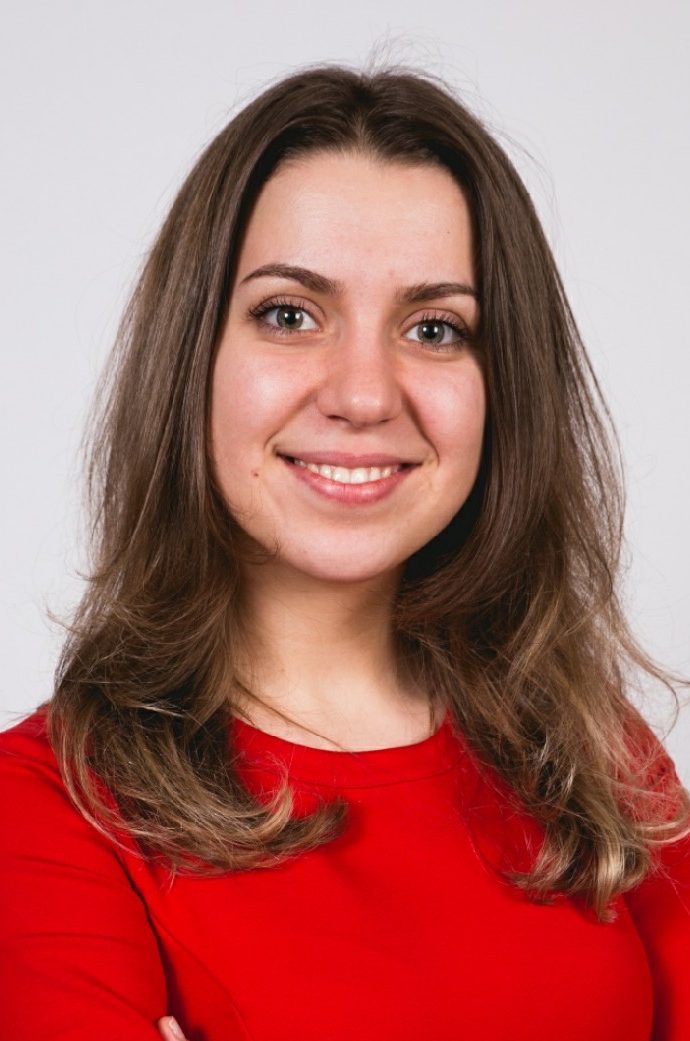
Ekaterina Oleinik is a PhD student in Tissue Engineering and Soft Tissues Biomechanics at the Vienna University of Technology (TU Wien). She holds an MSc in Biophysics from Peter the Great St.Petersburg Polytechnic University and joined TU Wien as PhD student in 2022. Her research focuses on the development of an in vitro 3D model of healthy tendon tissue to further investigate the mechanisms underlying tendinopathy and to support the exploration of potential treatment strategies. In particular, her work investigates the role of inflammatory cues in the onset and progression of tendinopathy, with a specific focus on how these processes affect the mechanical properties of tendon tissue. Ekaterina has already established a “healthy” in vitro tendon model using primary tenocytes embedded in fibrin hydrogels, which are mechanically stimulated in a bioreactor system. The final part of her doctoral research focuses on the development of an in vitro tendinopathy model incorporating two key pathological drivers: mechanical overload and inflammatory activation.
Planned Research Project
“Tendinopathy model in vitro using a co-culture setup of tendon-derived cells embedded in fibrin hydrogels with M1 and M2 macrophages”
With the support of the ESB Mobility Award, Ekaterina will undertake a two-month research stay at the Veterinary Stem Cell Research Unit at Ghent University in Belgium. During this research stay, she will develop a co-culture system that enables paracrine crosstalk between the stromal, namely tenocytes, and immune (macrophages) compartments under controlled mechanical loading regimens. Both cell types are known to play important roles in tendon healing and disease progression. This study aims to investigate how the presence of immune cells and inflammation affects the mechanical and biological characteristics of tendons. Ekaterina’s work will benefit from the supervision of Professor Catharina De Schauwer, whose laboratory focuses on developing representative in vitro models, including models of tendon injuries, and on generating proof-of-concept evidence for stem cell applications with a strong translational focus.
Ilona Bognar
Ilona Bognar is a PhD student at the School of Chemical, Materials and Biological Engineering at the University of Sheffield. After completing her degree in Bioengineering at the University of Sheffield, she continued her studies as a PhD student in 2023. Ilona’s research focuses on developing 3D in vitro models of the rare genetic disorder osteogenesis imperfecta using CRISPR/Cas9-based cell line engineering and electrospun polycaprolactone scaffolds. She has primarily investigated collagen fibre organisation in 3D within the fabricated constructs using second harmonic generation and light-sheet microscopy. In the final stage of her PhD, her work will focus on linking the organic and mineral phases of diseased bone extracellular matrix formation and exploring potential disease mitigation strategies using emerging treatments.
Planned Research Project
“Engineering Dynamic 3D Bone Models to Study Osteogenesis Imperfecta Using CRISPR-Modified Stem Cells”
Thanks to ESB Mobility Award, Ilona will undertake a six-month research stay at ETH Zürich to incorporate Sheffield’s osteogenesis imperfecta (OI) patient-derived iPSCs into ETH-developed dynamic 3D bioreactor platforms. Supervised by Professor Ralph Müller, the project links Sheffield’s expertise in iPSC-based disease and collagen modelling with ETH’s strengths in micro-computed tomography, mineralisation, and biomechanical characterisation. Together, these complimentary techniques enable the investigation of the spatiotemporal development of healthy vs diseased extracellular matrix, revealing genotype-phenotype relationships and treatment responses of mechanically stimulated OI iPSCs in vitro.